
Helical gear
Keywords:
Helical Gear
the
in
and
of


Product Description
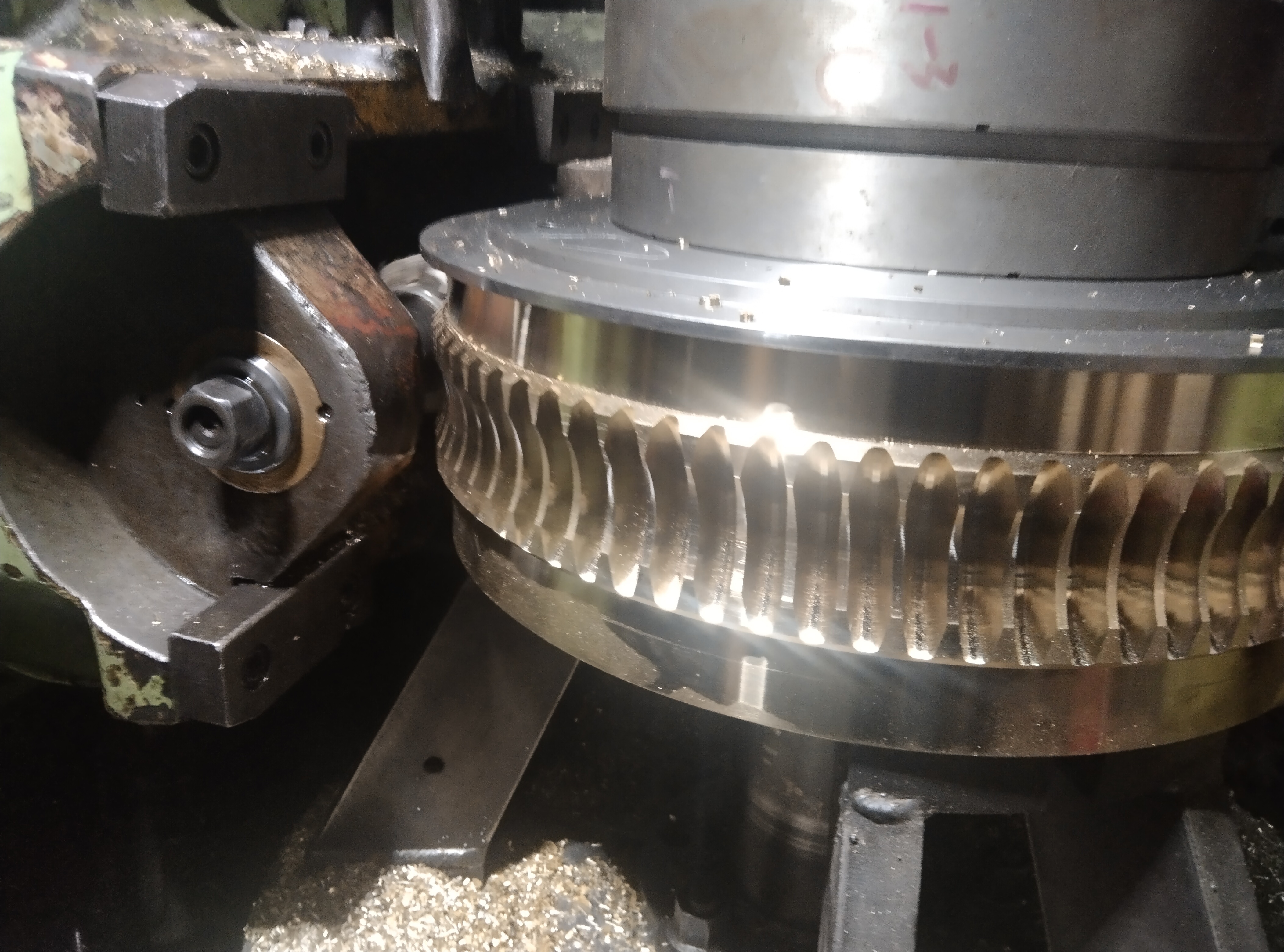
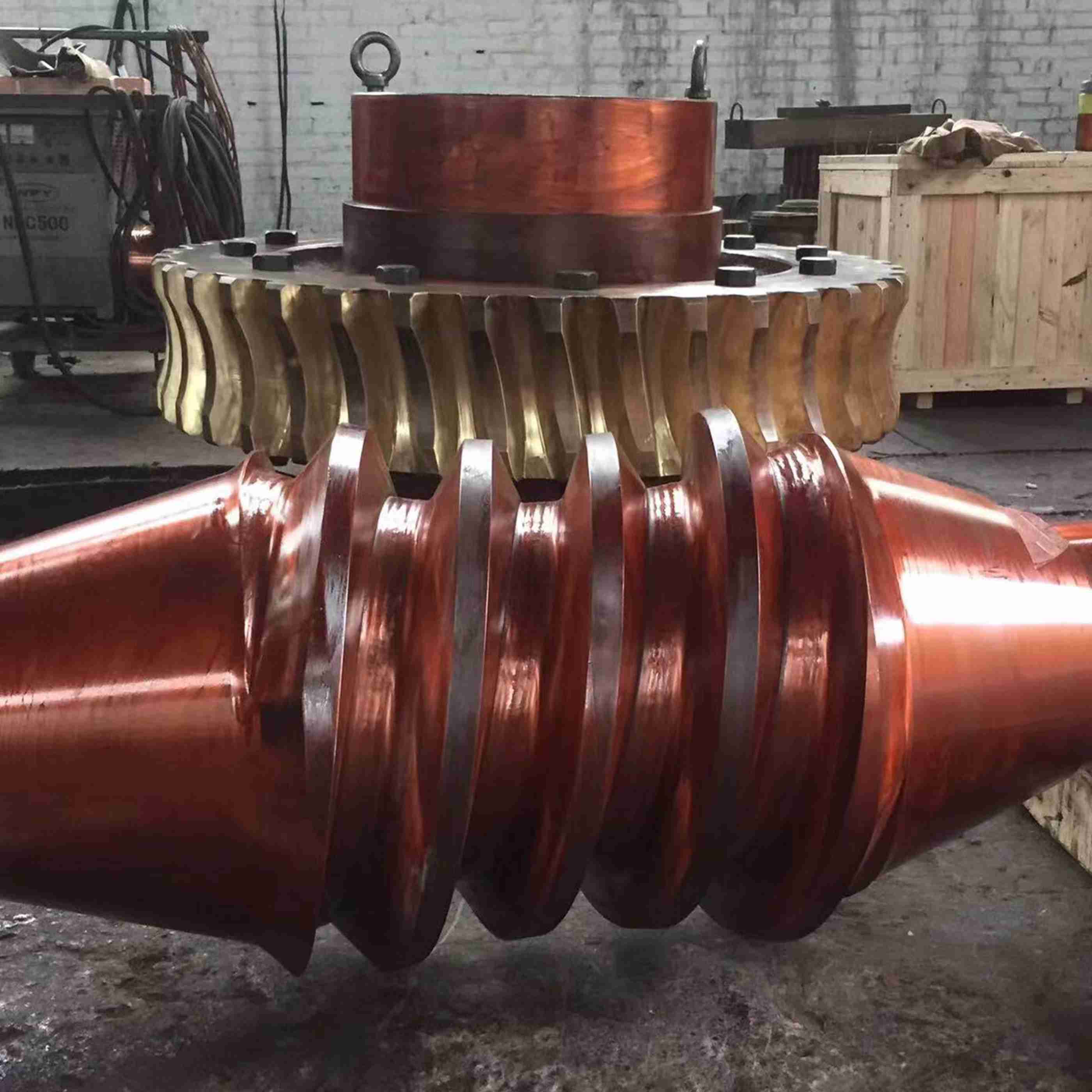
The helical gear is a type of transmission device that differs from spur gears, with its tooth lines presented in an inclined state. This design allows helical gears to transmit power more smoothly and with higher transmission efficiency. The length range varies according to specific needs and application scenarios; for example, certain specific mechanical applications may require helical gears with lengths reaching or approaching 200 millimeters. Helical gears of this length are typically suitable for heavy machinery or precision instruments, capable of meeting high strength and high precision transmission requirements.
In addition to their advantages in power transmission, helical gears also exhibit improved load distribution compared to their spur counterparts. This is primarily due to the gradual engagement of the gear teeth, which reduces stress concentrations and minimizes wear over time. As a result, helical gears tend to have a longer operational lifespan, making them a preferred choice in applications where reliability is critical. Furthermore, their inclined tooth design enables quieter operation, which is particularly beneficial in environments where noise reduction is a priority, such as in automotive and aerospace industries.
When selecting helical gears for specific applications, engineers must consider factors such as gear ratio, material selection, and the alignment of the gear system. The choice of materials can significantly impact the performance and durability of helical gears; common materials include steel, aluminum, and various composites, each offering unique benefits in terms of strength and weight. Additionally, the manufacturing process, which may involve techniques such as hobbing, shaping, or grinding, plays a crucial role in achieving the precise tooth geometry required for optimal performance.
Moreover, the use of helical gears can lead to increased efficiency in power transmission systems, allowing for smaller, lighter assemblies without sacrificing performance. This characteristic is particularly advantageous in modern engineering applications, where space and weight constraints are often critical. As industries continue to evolve and seek innovative solutions, the role of helical gears is likely to expand, driving advancements in design and manufacturing techniques that further enhance their capabilities. Thus, helical gears not only serve as a fundamental component in mechanical systems but also represent a key area of ongoing research and development in the field of engineering.
Classification:
Helical Gear