
External thread
Keywords:
External thread
the
and
of
external


Product Description
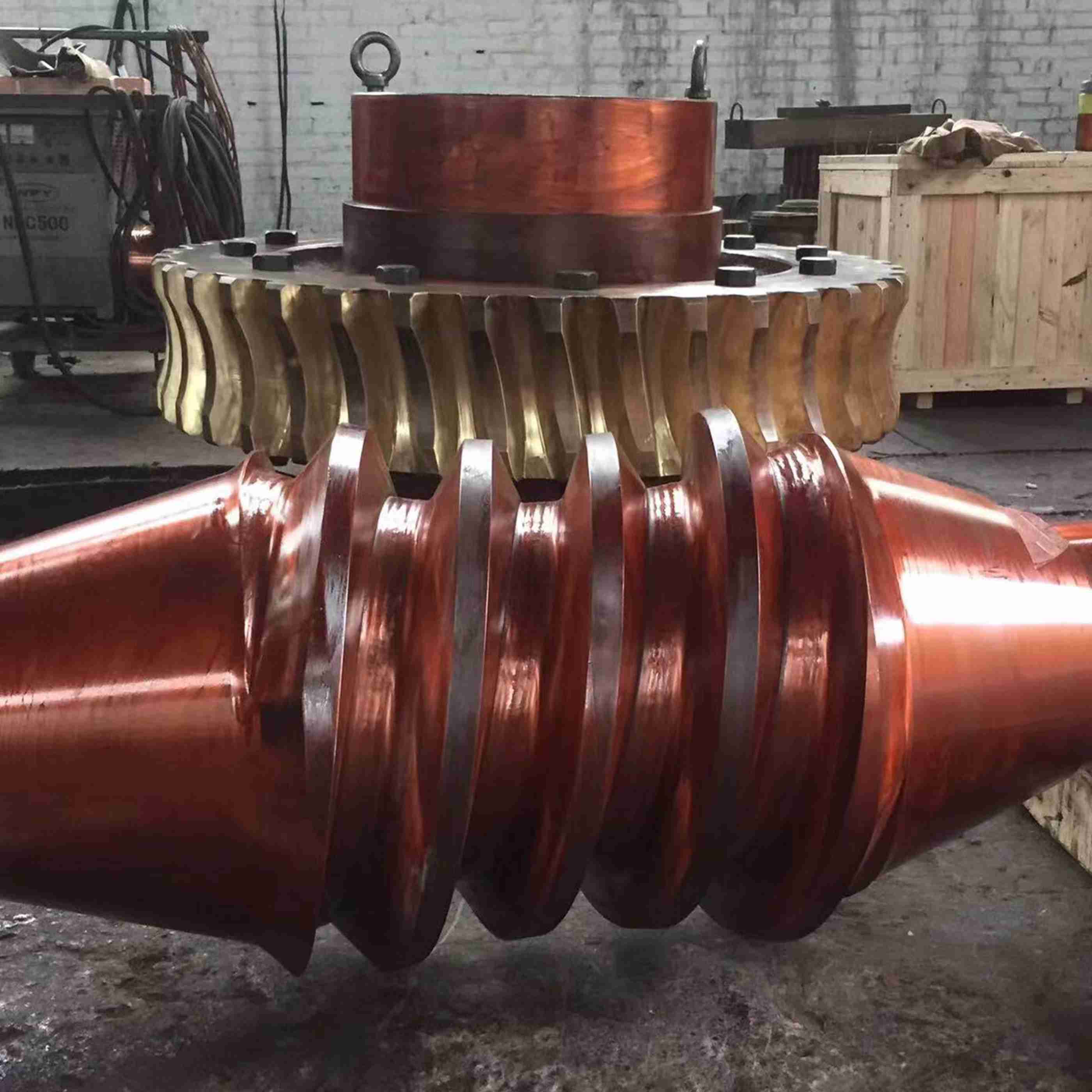
The characteristics of external threads are that they present continuous protrusions and grooves on the outer surface of a cylinder, forming a spiral pattern. The design of these threads aims to ensure the firmness and stability between connected components.
Specifically, the length of external threads refers to the length of their effective threaded portion, which is the sum of the protrusions and grooves. An external thread with a length of 200mm means that it extends 200mm from one end to the other along the spiral direction. This length of external thread is particularly common in situations that require withstanding high pressure and heavy loads, such as the connection of mechanical parts and pipelines. Due to its high reliability and durability, external threads are widely used in various industrial fields.
In addition to their structural benefits, external threads also play a crucial role in facilitating assembly and disassembly of components in mechanical systems. The helical shape of the threads allows for a gradual engagement between mating parts, enabling a secure fit that can withstand dynamic forces during operation. This feature is particularly advantageous in applications where frequent maintenance is required, as it allows for easy removal and reinstallation without compromising the integrity of the threads. Moreover, the precision in the manufacturing of external threads is vital; variations in thread pitch, diameter, and depth can lead to misalignment or failure in load-bearing scenarios. As industries evolve, advancements in materials and machining technologies continue to enhance the performance of external threads. For instance, the use of high-strength alloys and surface treatments can significantly improve resistance to wear, corrosion, and fatigue. These innovations ensure that external threads remain reliable even under extreme conditions, such as high temperatures and aggressive environments. Consequently, the demand for external threads is expected to grow, driven by sectors such as aerospace, automotive, and oil and gas, where safety and performance are paramount. Thus, the ongoing development of external thread technology is essential to meet the evolving needs of modern engineering and manufacturing.
Classification:
External thread