
Small modulus worm gear, precision worm gear custom processing
Keywords:
worm
transmission
Worm Gear


Product Description
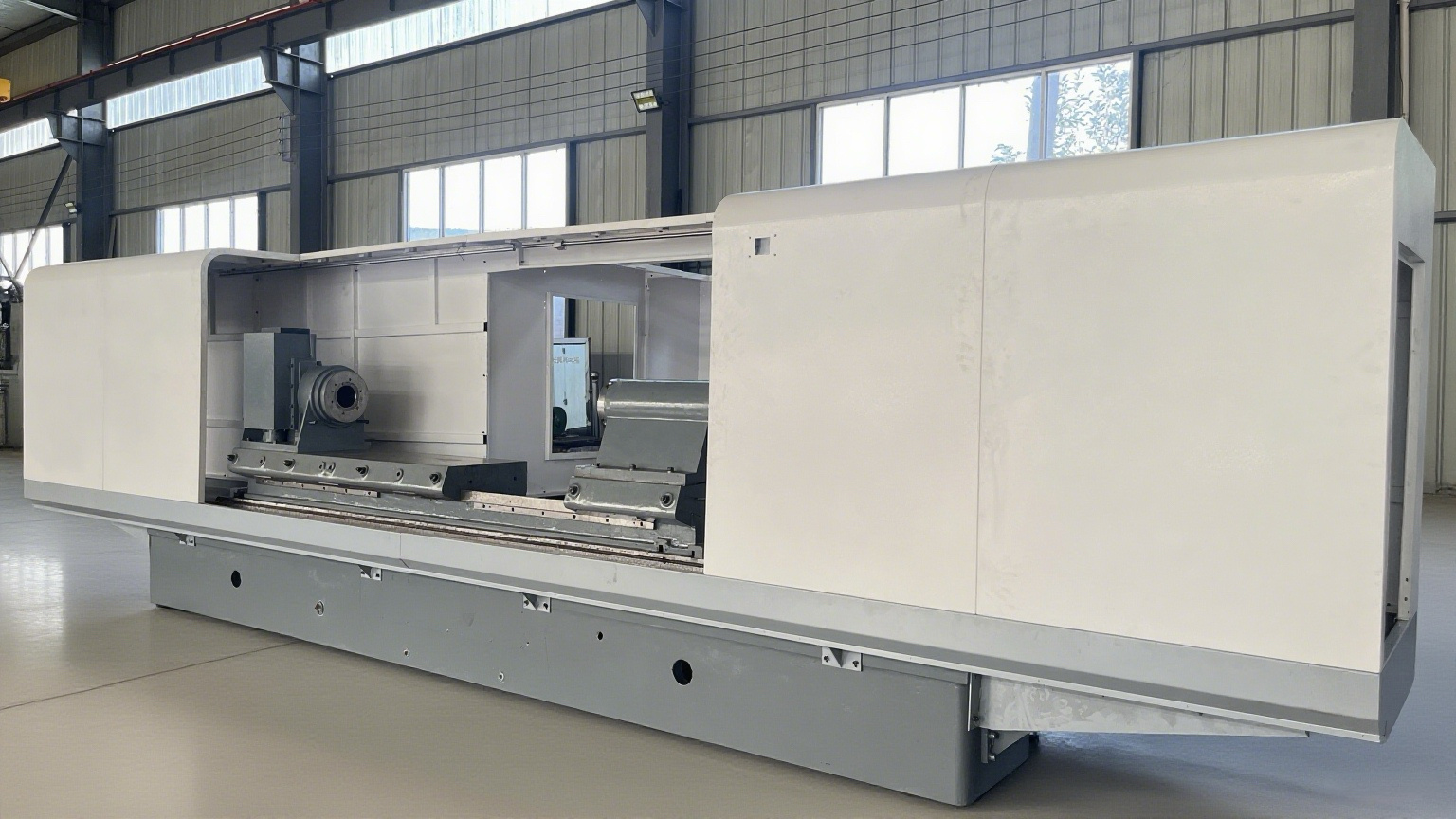
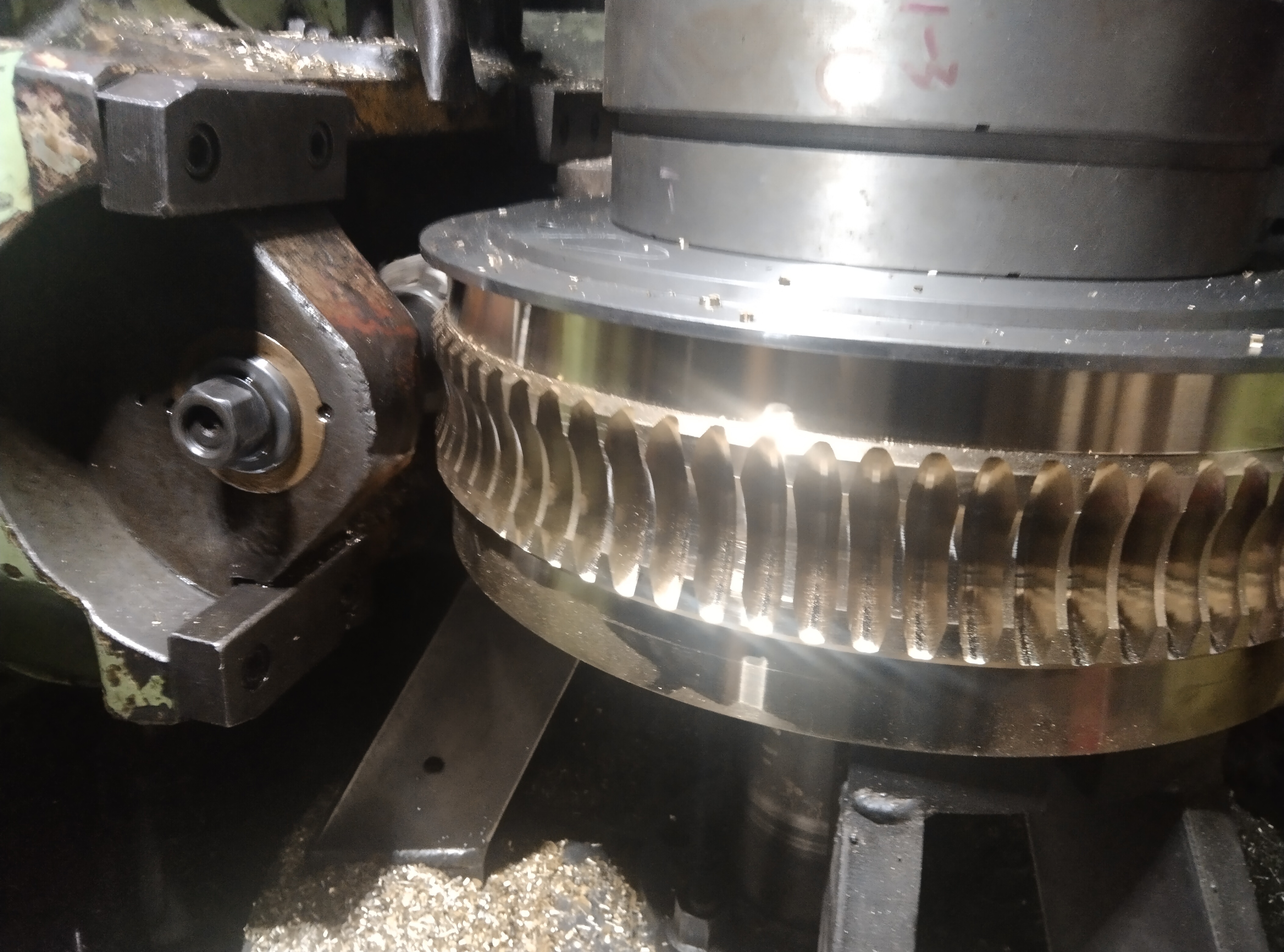
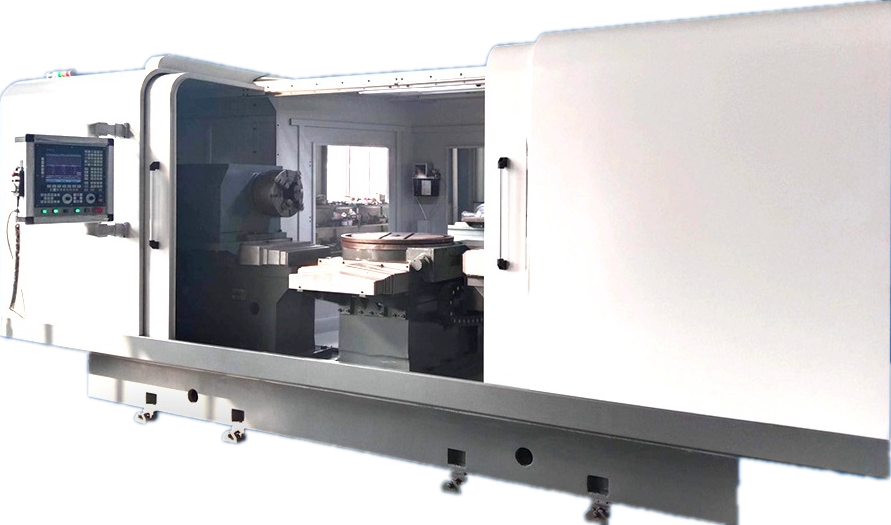
Our company provides customized processing services for various non-standard worm wheels, worm gears, and hobs. Our current processing range includes modules from 0.3M to 32M and center distances from 20mm to 1250mm. We have processed precision transmission components for numerous research institutes, including those in aerospace, satellite antennas, laboratories, well-known universities, and confidential units. Please feel free to send us your drawings.
I. Definition and Composition
- Definition A worm gear drive is a special type of gear transmission mechanism that uses the meshing of a worm gear and worm wheel to transmit power and convert speed.
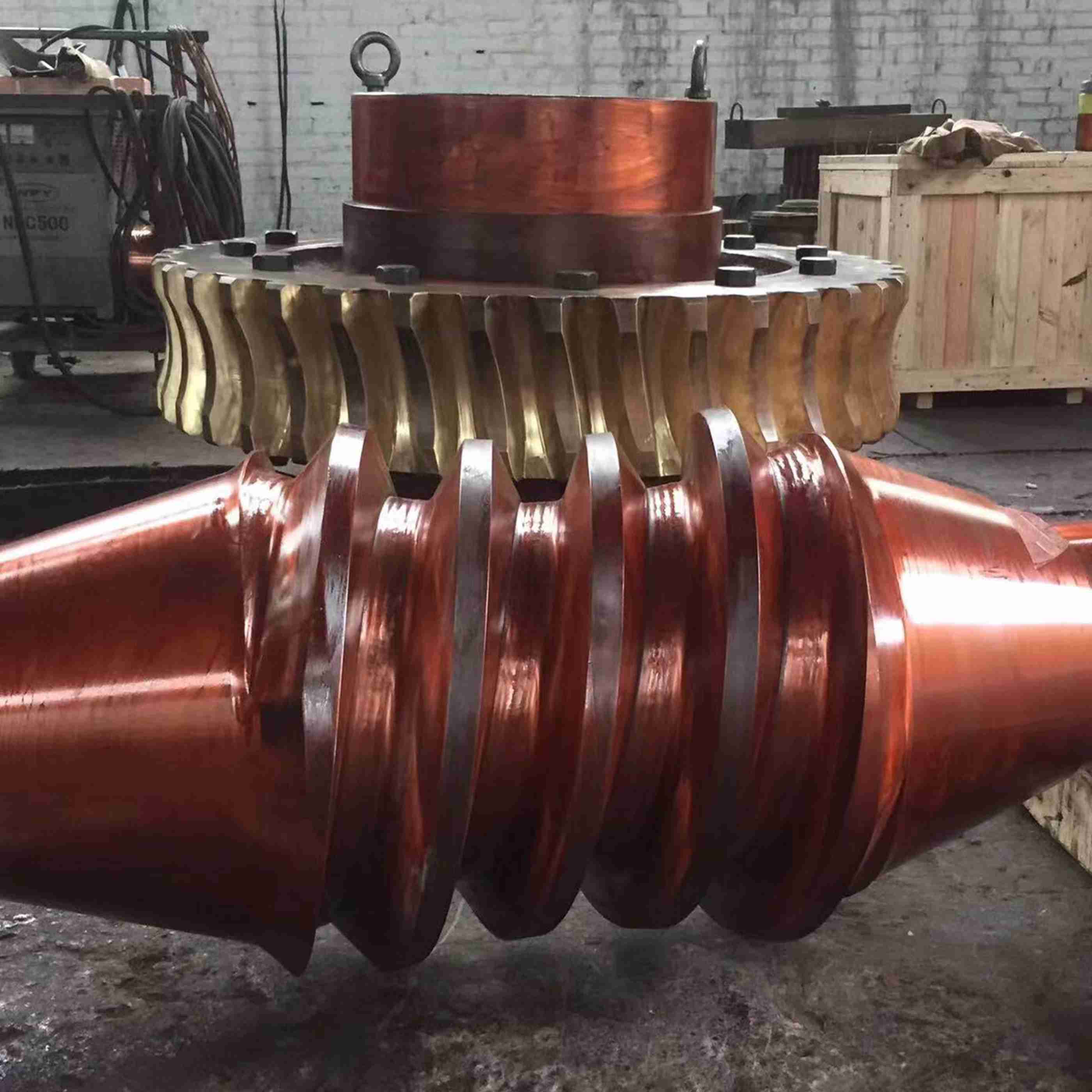
- Composition A worm gear drive mainly consists of two parts: a worm gear and a worm wheel. The worm gear is a gear with one or more helical teeth, while the worm wheel is a large gear that meshes with the worm gear. They are arranged with intersecting axes.
II. Working Principle
- The meshing relationship between the worm gear and worm wheel is complex, usually exhibiting line contact. When the worm gear rotates, its tooth surface drives the worm wheel to rotate, thus transmitting power.
- In some special types of worm gear drives, such as double-enveloping worm gear drives, the meshing relationship between the worm gear and worm wheel is tighter, achieving backlash-free meshing, thus providing smoother transmission and better load capacity.
III. Features and Advantages
- High Transmission Ratio Worm gear drives typically have a high transmission ratio, achieving significant speed reduction.
- Smooth Transmission Due to the tight and continuous meshing relationship between the worm gear and worm wheel, the transmission process is smooth and impact-free.
- Compact Structure Worm gear drives have a relatively compact structure, suitable for applications with limited space.
- Self-Locking Under certain conditions, worm gear drives exhibit self-locking properties. That is, when the lead angle of the worm gear is less than the equivalent friction angle of the worm wheel tooth surface, the worm gear cannot drive the worm wheel to rotate in reverse.
IV. Application Scenarios
Worm gear drives are widely used in various mechanical equipment, especially in applications requiring high transmission ratios, smooth transmission, compact structures, or self-locking properties. For example:
- Industrial Robots Used as actuators in motion units to achieve precise position control and power transmission.
- CNC Machine Tools Used in the transmission systems of precision machining equipment to provide stable speed and torque output.
- Lifting and Transportation Equipment Used in cranes, conveyors, and other equipment to lift and transport heavy objects.
- Metallurgical Equipment Used in rolling mills, coilers, and other equipment in the steel and non-ferrous metal industries for transmission and control.
V. Types and Specifications
Worm gear drives are available in various types and specifications to meet different needs. For example, depending on the shape, size, material, and meshing method of the worm gear and worm wheel, they can be classified into different types. The transmission ratio, transmission efficiency, and load capacity of worm gear drives will also vary depending on the specific type and specifications.
In summary, worm gear drives are important transmission mechanisms that play a significant role in mechanical equipment. With continuous technological advancements and expanding application areas, the performance and reliability of worm gear drives will be further enhanced.
Classification:
Worm Gear