
Small modulus gear, precision gear
Keywords:
mechanical
efficiency


Product Description
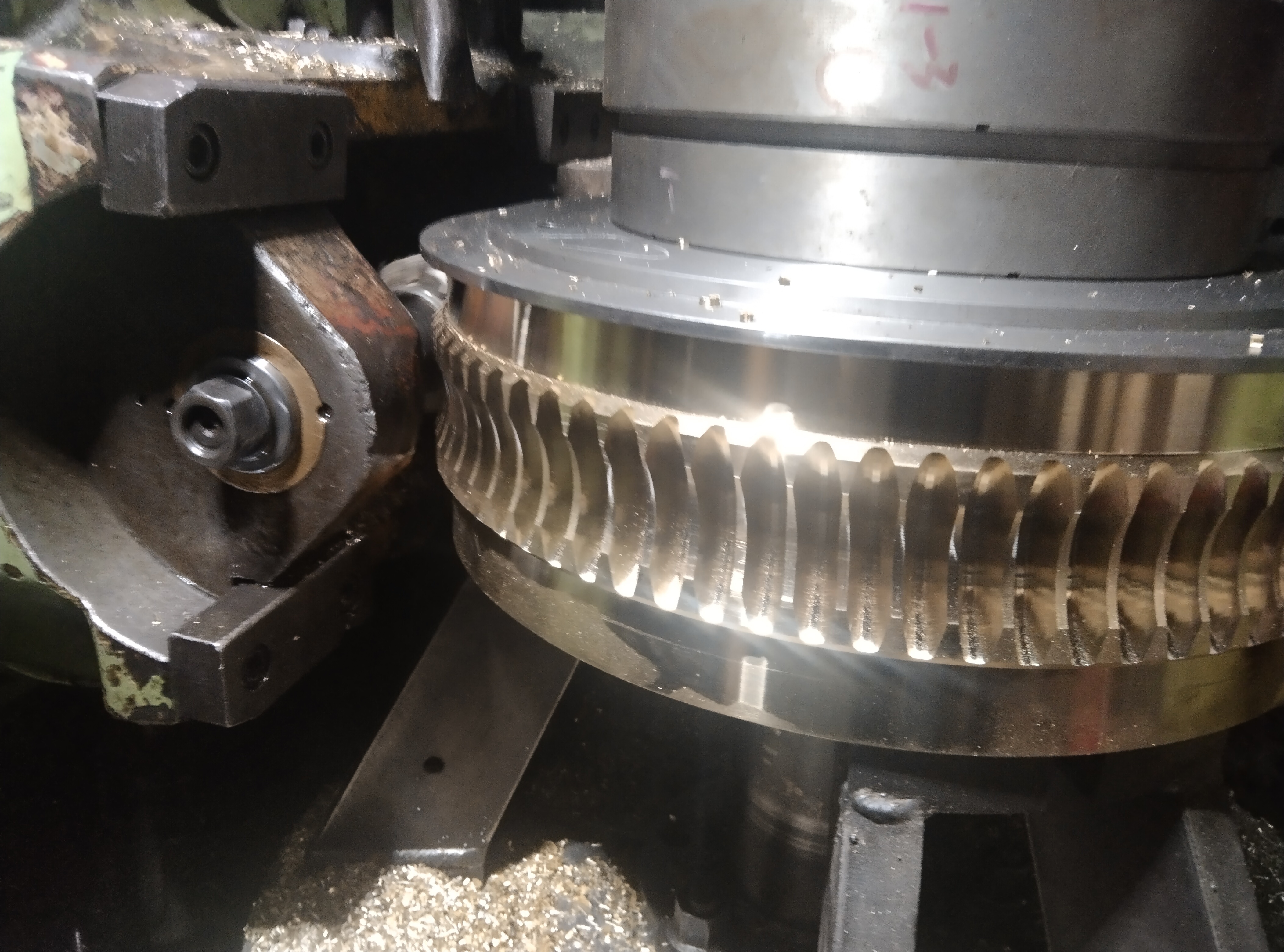
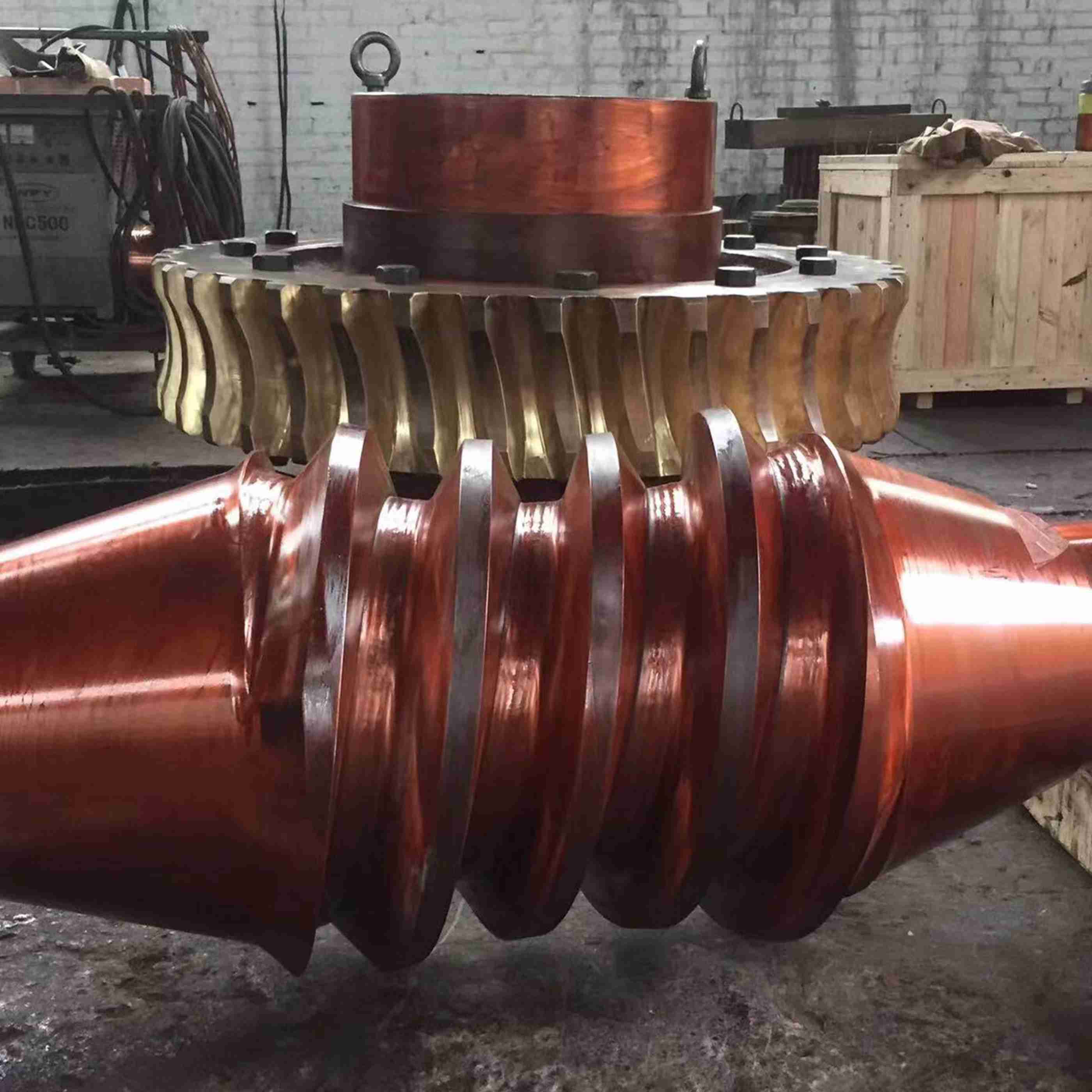
Our company provides customized processing services for various non-standard gears, racks, internal and external teeth, and special-shaped teeth, etc. We can process modules of 0.3M and above, with a maximum outer diameter of 16000mm. We have processed precision transmission parts for numerous research institutes, including those in aerospace, satellite antennas, laboratories, well-known universities, and confidential units. Please feel free to send us your drawings.
In the field of mechanical transmission, gear transmission, with its unique performance advantages, is widely used in various equipment. The following will provide a detailed explanation from three aspects: the comparative advantages of gear transmission and worm transmission, the characteristics of gear reducers, and common gear types and applications.
I. Core Advantages of Gear Transmission Compared to Worm Transmission
In mechanical transmission methods, gear transmission and worm transmission each have their own characteristics. Gear transmission has significant advantages in terms of efficiency and structure:
- Higher Mechanical Efficiency Worm transmission involves sliding friction, and energy loss is relatively large during direction changes, resulting in relatively low efficiency. In contrast, gear transmission has higher mechanical efficiency and can transmit power more effectively.
- Superior Size and Weight Under the same transmission requirements, the structural design of gear transmission can achieve smaller size and lighter weight. This is of great significance for the miniaturization and lightweight design of equipment, saving installation space and reducing the overall weight of the equipment.
II. Outstanding Characteristics of Gear Reducers
As an important form of gear transmission application, gear reducers have many practical characteristics:
- Convenient Input and Output Direction Gear reducers generally have the same input and output direction, requiring less space on-site, making installation and layout more flexible and adaptable to various work scenarios.
- Excellent Overall Performance :
- Small size, saving equipment space;
- Light weight, easy to handle and install;
- Long service life, reducing the frequency of equipment maintenance and replacement, and lowering operating costs;
- Stable operation, ensuring the stability of equipment operation;
- Low noise, improving the comfort of the working environment.
III. Common Gear Types and Application Scenarios
Different types of gears have different structural characteristics and functions, suitable for diverse application needs:
- Herringbone Gears
- Core Function It has a backlash elimination function, which can effectively reduce the backlash during gear meshing and improve transmission accuracy.
- Typical Applications It can be used in parts with high precision requirements, such as machine tool spindles and other precision transmission scenarios, ensuring the accuracy and stability of transmission.
- Helical Gears
- Matching Flexibility It can be used with other gears or with worm gears, providing a wide range of choices.
- Application Value This flexible matching method allows it to adapt to different transmission system design needs and is widely used in various mechanical equipment.
- Bevel Gears
- Types Included Includes enveloping straight bevel gears and spiral bevel gears.
- Main Function Suitable for occasions such as direction change, it can change the transmission direction to meet the special needs of equipment in spatial layout.
- Production Characteristics Generally, they need to be produced in pairs during production to ensure the accuracy of gear meshing and transmission effect.
Classification:
Spur Gear